We use cookies to ensure that we give you the best experience on our website.
Development vision: become a global one-stop supplier of cold roll forming machines and accessaries.
METAL ROLL FORMING MACHINE
Zhongtuo roll forming Systems is a "one-stop shop" for all your roll forming needs,enabling our customers to save time and money when buying roll forming machines,to help customers grow.
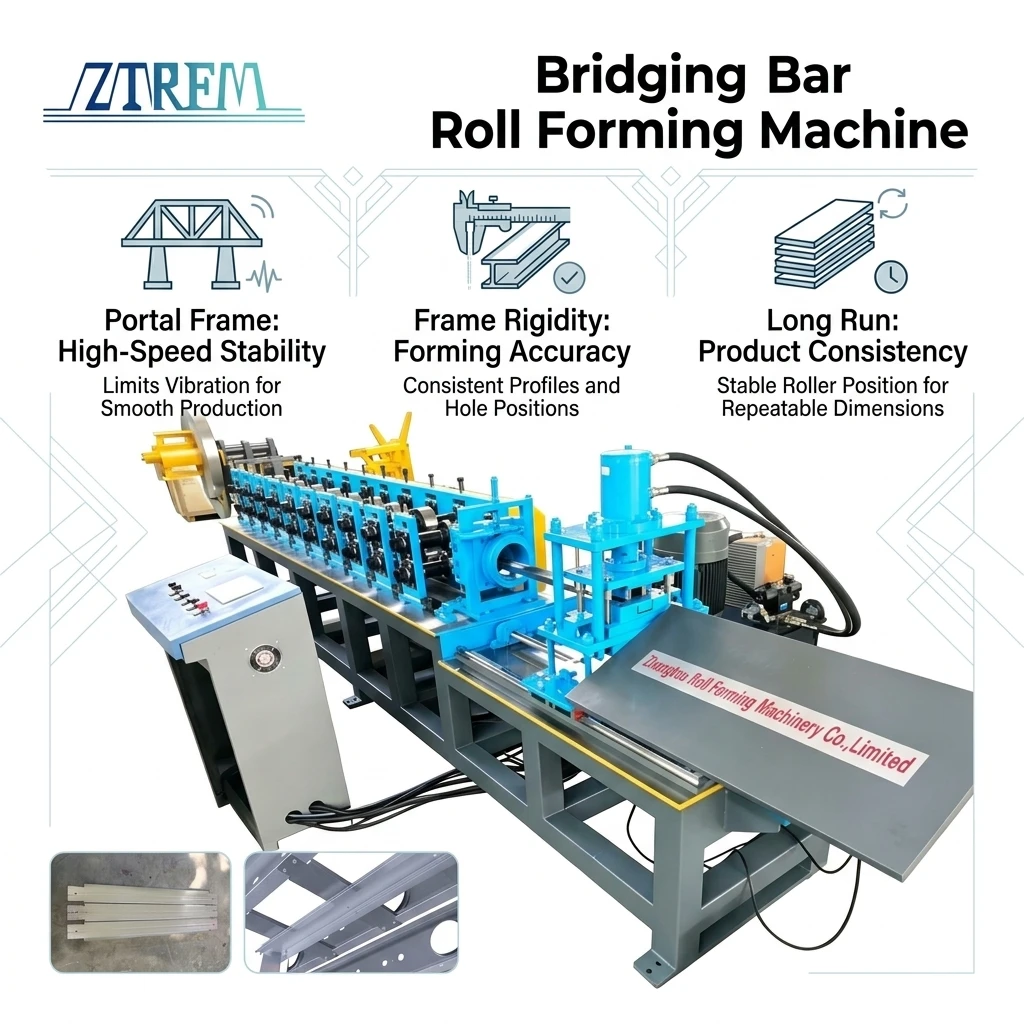
Bridging Bar Roll Forming Machine 4 Stages to Prevent Rework
When bridging bar orders grow from a few pieces into steady batches, production runs into a new problem. It's no longer just about bending steel strip into a profile. The real question is how to link feeding, forming, punching, and cutting to length into one stable line. A bridging bar roll forming machine earns its place by…
Contact: Elliot liu Email: [email protected] WhatsApp: 008615127728988
Detailed Content
When bridging bar orders grow from a few pieces into steady batches, production runs into a new problem. It's no longer just about bending steel strip into a profile. The real question is how to link feeding, forming, punching, and cutting to length into one stable line. Abridging bar roll forming machine earns its place by connecting these steps into a continuous system.
Bridging Bar Roll Forming Machine
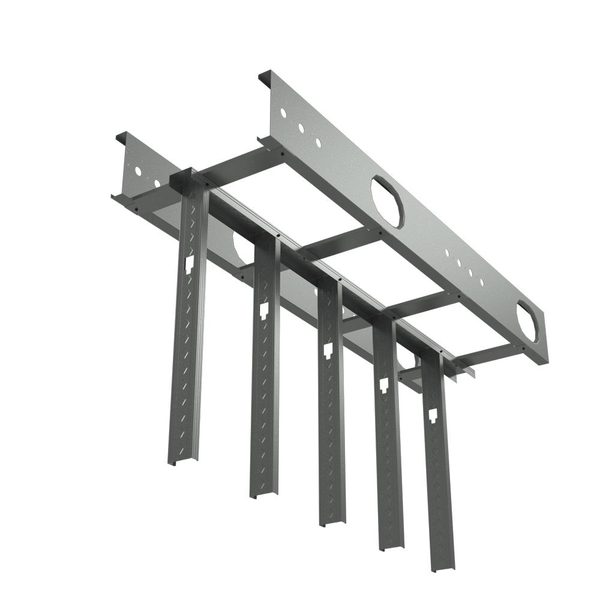
Where Bridging Bars Are Used in Building Frames
A bridging bar is a cold formed steel connector installed between parallel framing members. Its final use sets the demand for stable dimensions and hole positions.
Floor joist and truss connections: the bar spans between parallel members, stopping lateral movement and holding spacing steady
Top fixing for interior non-load-bearing walls: the bar gives the wall top a bolted connection point to the structure above
During installation, bolts pass through the holes on the bar and into the receiving holes on the member. If hole positions drift, crews must re-drill or ream on site. Hole accuracy is not a choice on the production side. It's a hard requirement from the installation side.
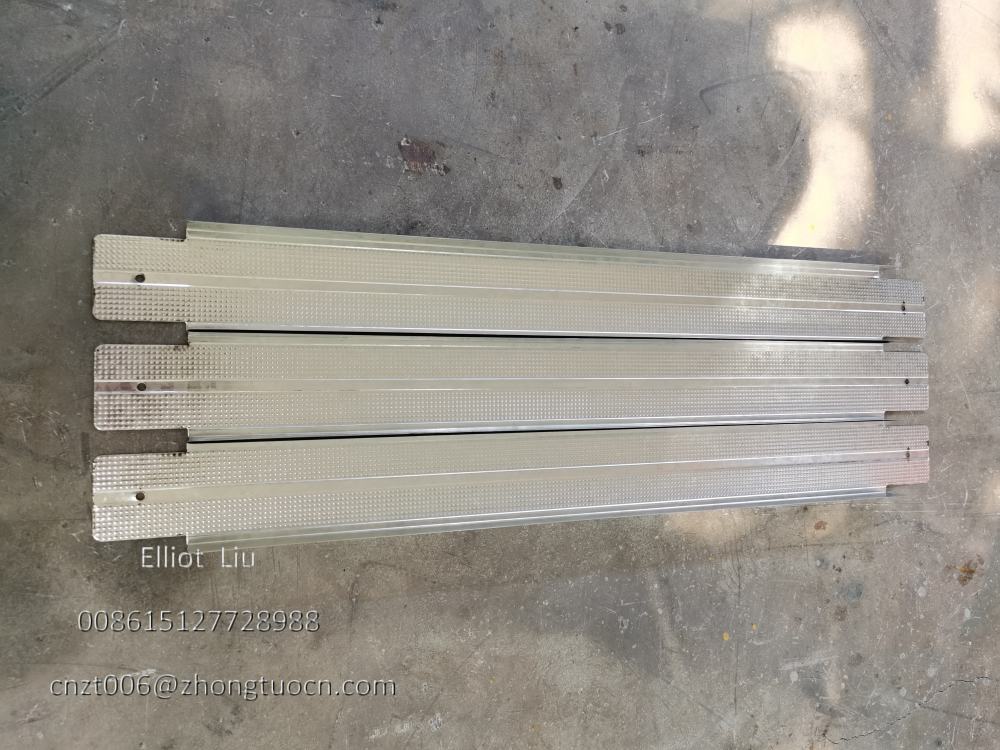
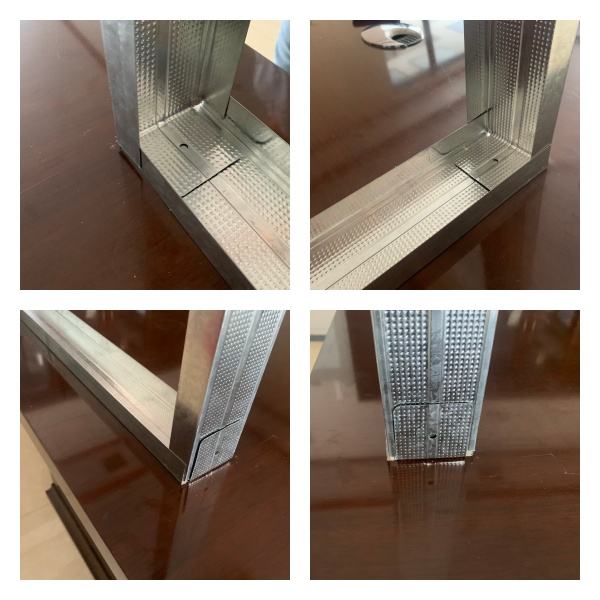
Applications for the Finished ChannelChannel physical pictureApplications for the Finished Channel 2
What a Dedicated Machine Solves in Daily Production
A dedicated unit solves continuity in batch production, not the ability of a single step. Each design choice on the bridging bar roll forming machine maps to a production problem.
A single forming line replaces repeated single piece work. The machine links feeding, forming, punching, and cutting in one pass, so each step doesn't need separate handling and repositioning.
Inline punching and cutting remove separate operations. Formed sections don't need a transfer to another machine, which cuts equipment count and work in progress.
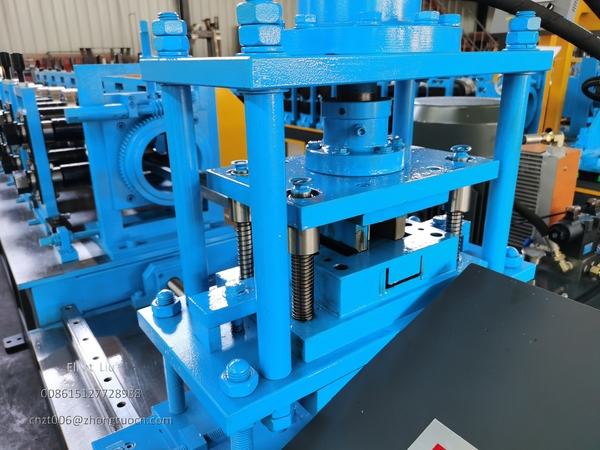
The cutting part of the Channel Forming Machine
Cutting to length works with continuous feeding. Every finished bar comes out at the same length, which meets batch order requirements.
Roller spacers adjust width. One machine covers different sizes, which reduces changeover downtime and tooling investment.
The common thread here is a shift from making one piece at a time to running continuously.
Why Bridging Bar Production Fits Continuous Roll Forming
The product itself points to continuous roll forming.
Fixed cross section and fixed length. Once an order is set, the profile and length don't change. That makes bridging bars a natural fit for steady batch production. Progressive forming suits this kind of work because the strip passes through a series of roller stations, and each station takes a share of the deformation until the section reaches its final shape.
When production moves from small orders to steady batches, feeding, forming, punching, and cutting need to work as one system. That's the production logic behind a channel forming machine.
From Coil to Finished Bar
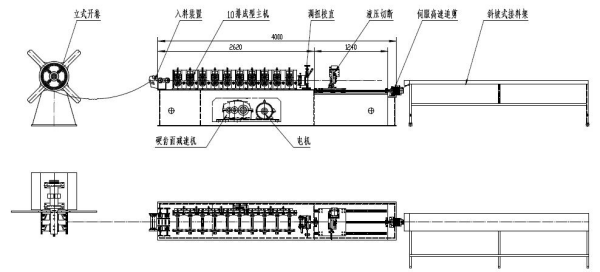
Bridging bar production moves through four stages.
Production Flow Chart of Channel Forming Machine
Stage one: decoiling and feeding. Workers load the steel coil onto the decoiler. The coil unrolls passively, and the strip enters the forming section through the entry guide table.
Stage two: roll forming. The strip passes through 12 rollers. Each station takes a share of the deformation, and the strip gradually takes on the bridging bar section.
Stage three: punching and shearing. The formed section moves forward, and the punching and shearing station works inline with the forming line.
Stage four: receiving. Finished bars leave the receiving table, and operators collect and inspect each piece.
All four stages run in sequence. For orders that need steady supply, this continuity directly shapes delivery capability.
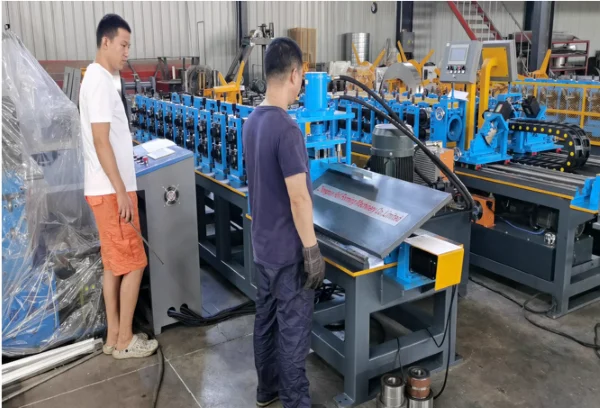
Bridging Bar Roll Forming Machine - Currently in operation
Contact Us For More Roll Forming Machine Detailed Information You can contact us either through phone number 0086-15127728988 within our working hours, or send an email to [email protected], or send an inquiry form to us using "Inquiry Now" option. Our customer representatives will respond as soon as possible.
💡 Please fill in the information below and we will call or email you later. Thank you!