METAL ROLL FORMING MACHINE
Zhongtuo roll forming Systems is a "one-stop shop" for all your roll forming needs,enabling our customers to save time and money when buying roll forming machines,to help customers grow.
Zhongtuo roll forming Systems is a "one-stop shop" for all your roll forming needs,enabling our customers to save time and money when buying roll forming machines,to help customers grow.
‹ › Do you know how steel door frames go from metal coils to finished profiles step by step? Starting from a steel strip, the process goes through three core stages: decoiling and leveling, roll forming, and cutting to length. A steel door frame roll forming machine integrates these stages into one continuous production line. The…
Contact: Elliot liu
Email: [email protected]
WhatsApp: 008615127728988
Detailed Content
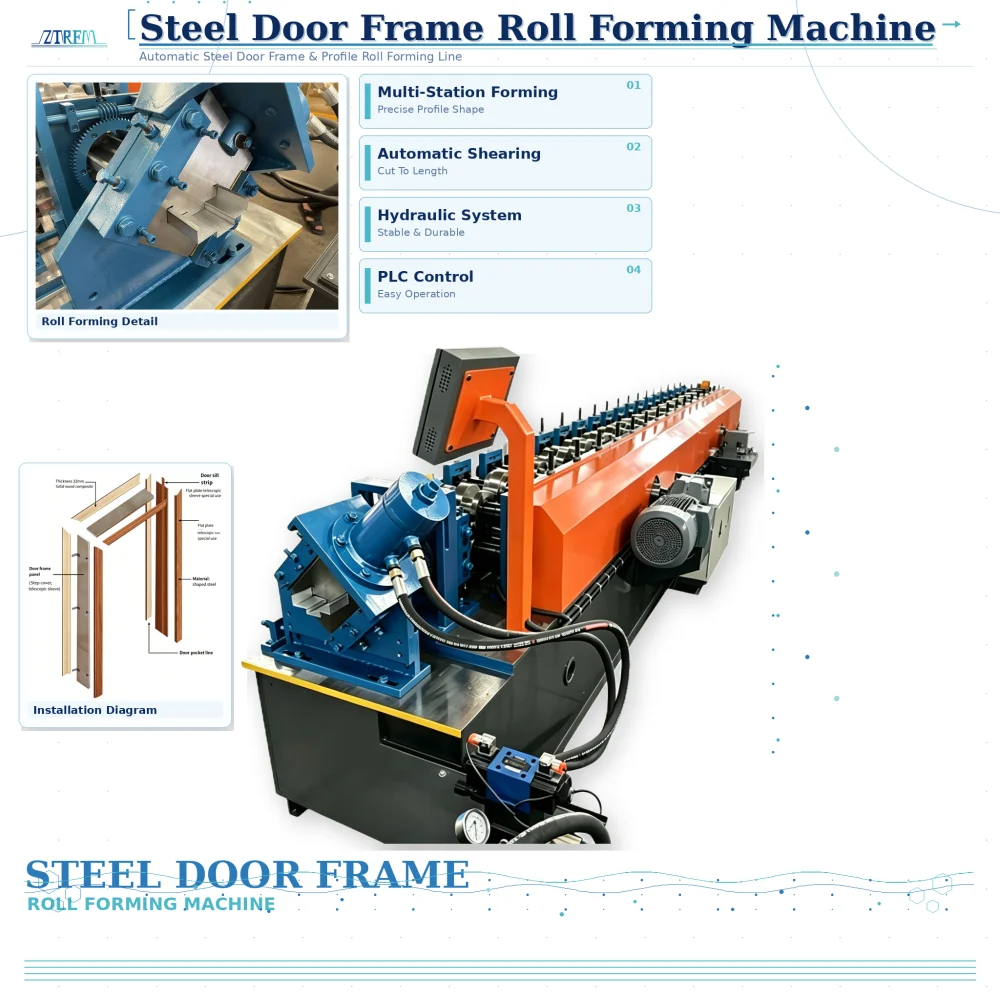
Do you know how steel door frames go from metal coils to finished profiles step by step? Starting from a steel strip, the process goes through three core stages: decoiling and leveling, roll forming, and cutting to length. A steel door frame roll forming machine integrates these stages into one continuous production line. The final profiles are used in building construction.
The sections below cover the steel door frame production process, different profile applications, equipment advantages, and key technical parameters.
Steel door frame production starts from metal coil and goes through the following stages to become finished profiles.
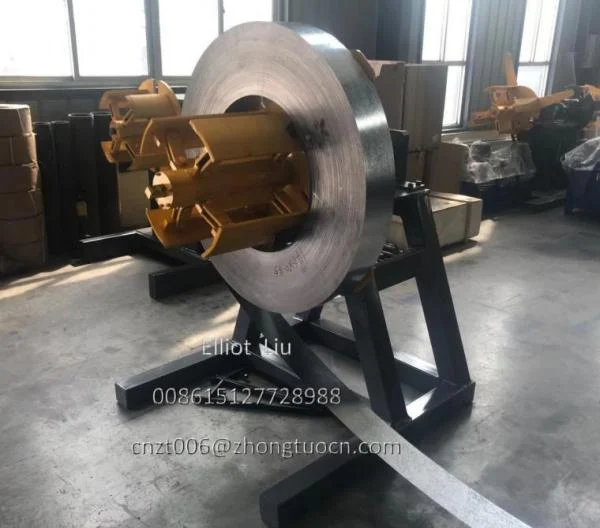
The first step is loading the steel coil onto the decoiler. The main machine pulls the strip forward. The strip then enters the leveling unit, where multiple leveling rollers remove bending stress and edge waves from the coil. The leveled strip enters the main machine in a flat state.
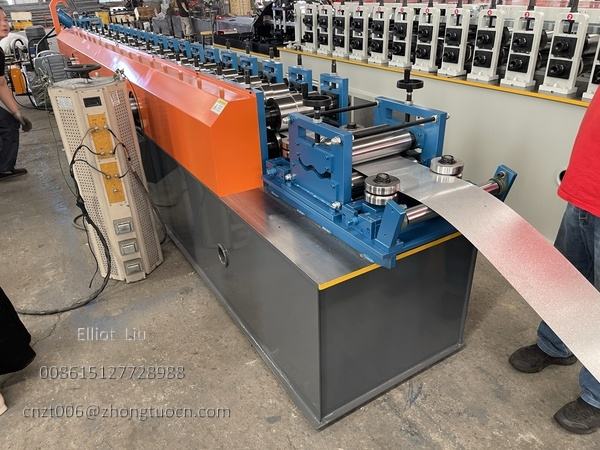
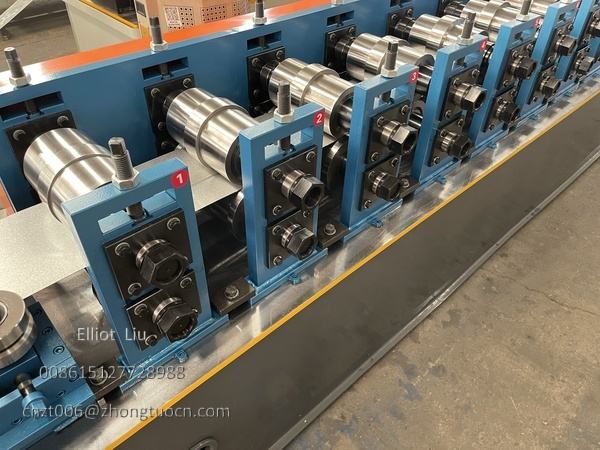
The leveled strip enters the main machine and passes through multiple roller stations. Each roller station applies a specific bending amount to gradually cold form the flat strip into the target profile shape. Gradual forming through multiple passes means each station handles only a small amount of deformation, allowing stress to release progressively. All stations are driven by a gearbox for synchronized drive, ensuring each station runs at the same line speed.
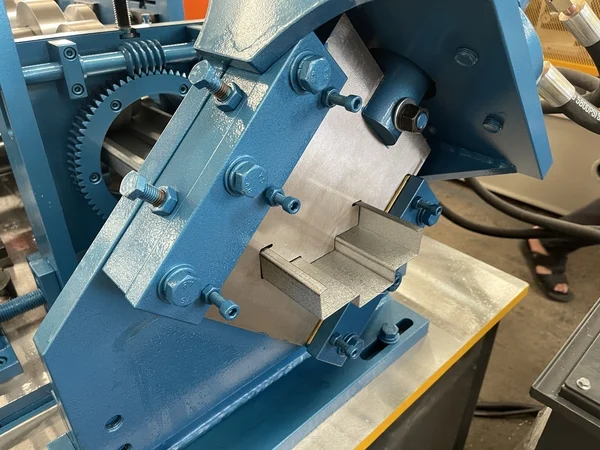
The continuously formed profile exits the main machine and enters the hydraulic shear. An encoder measures the passing length in real time. The PLC triggers the cutting command when the preset length is reached, cutting the continuous profile into individual door frame profiles. The cut profiles drop onto the receiving table, where support rollers carry them and stacking is completed. This steel door frame roll forming machine completes the entire cutting process automatically.
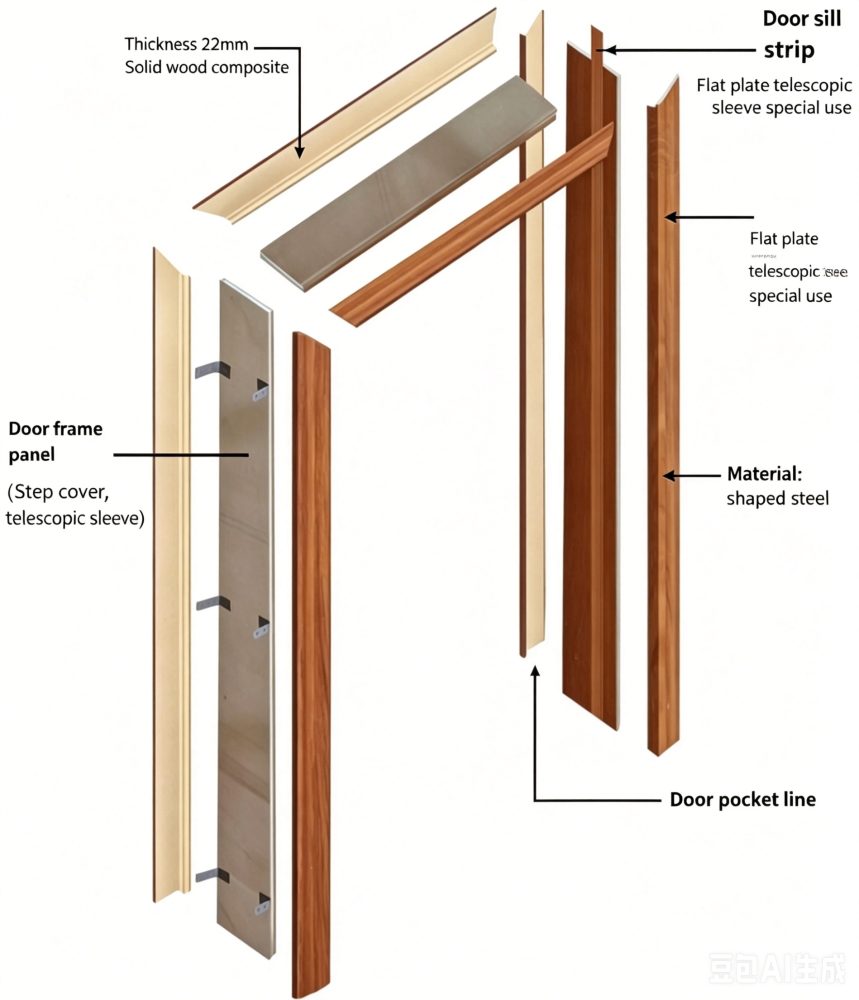
Different building scenarios require different profile cross sections and strength levels. This steel door frame roll forming machine produces the following types of door frame profiles through roller design adjustments:
Residential entry doors and interior doors: standard single rebate profiles with hinges mounted on the flat jamb surface
Commercial doors: double rebate or reinforced profiles for greater load bearing surface and more stable hardware mounting
Industrial doors: heavy duty profiles with thicker material to handle demanding conditions
All profiles above are produced on the same equipment. Switching between different profiles does not require changing the entire roller set. Only roller design adjustments are needed to match different application requirements. A machine to manufacture steel door frame offers this level of production flexibility for manufacturers serving multiple market segments.
17 passes of gradual cold forming, with forming accuracy built into the mechanical precision rather than operator skill
Continuous production replaces multi step segmented processing, reducing intermediate handling
PLC with encoder measures length and completes automatic cutting at preset lengths
Multi material compatibility for GI, low carbon steel, and CR steel, covering thicknesses from 1.0 to 1.5 mm
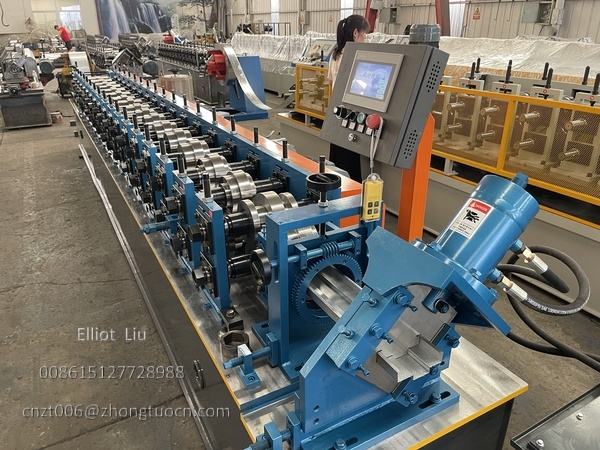
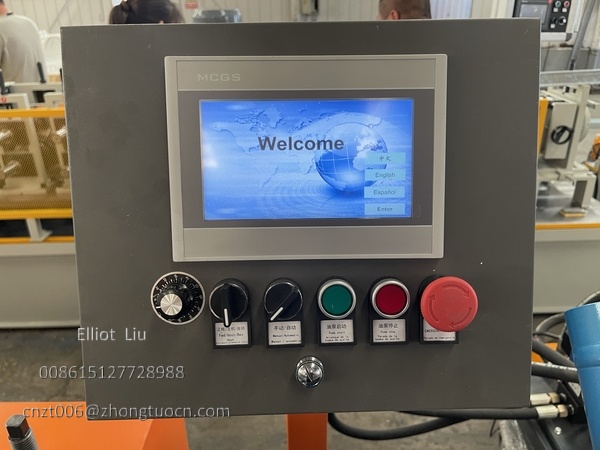
The parameters below come from the equipment specification sheet, covering forming passes, core component materials, and forming accuracy.
| Parameter | Specification |
|---|---|
| Number of roller stations | 17 passes |
| Roller material | GCr12 |
| Shaft diameter | 60 mm |
| Shaft material | 45# steel, tempered |
| Frame structure | Middle plate welded, memorial arch design |
| Frame plate thickness | 25 mm |
| Main motor power | 7.5 kW x 2 units |
| Forming speed | 0 to 20 m/min |
| Material types | GI, low carbon steel, CR steel |
| Material thickness | 1.0 to 1.5 mm |
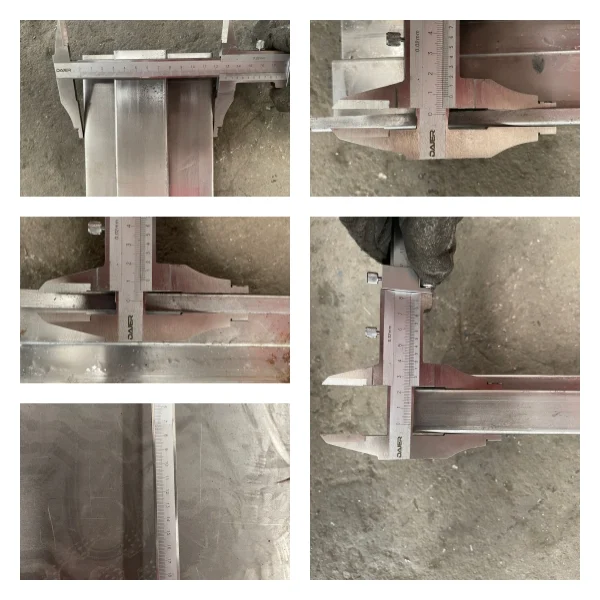
| Length tolerance | 3 m ±1.0 mm |
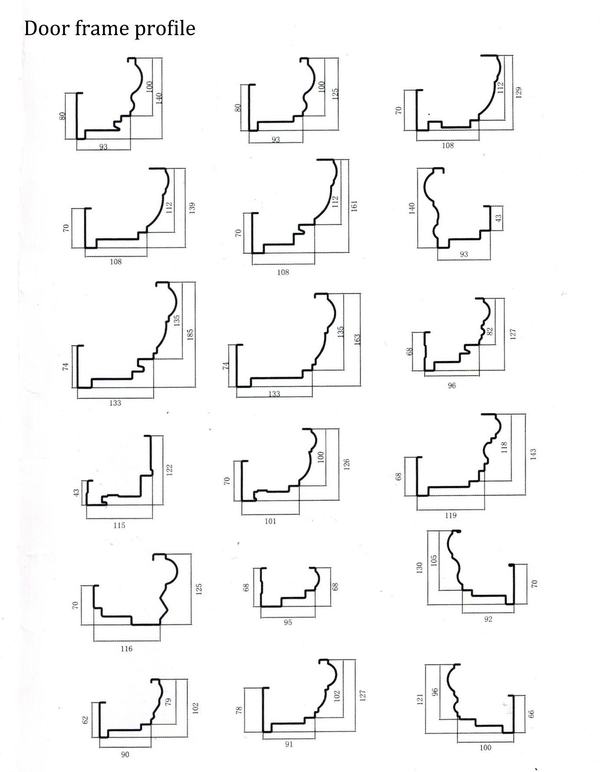
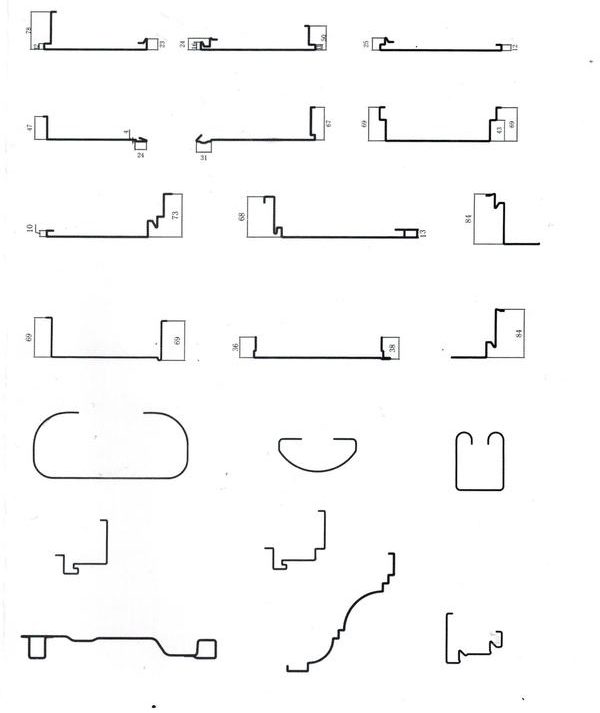
Beyond the common profiles above, this equipment produces various other door frame profile shapes through roller design adjustments. Different leg heights, return bend styles, and stiffener designs are all possible on the same equipment. The images below show common variations for your reference against project drawings.
Steel door frame production starts from a steel strip and goes through leveling, roll forming, and cutting to length to become finished profiles for building construction.
A door frame roll forming machine can also serve similar production needs for different profile types. The roll forming process integrates multiple stages into one continuous production line.
The complete system brings all stages together in one production line. For manufacturers working with aluminium profiles, an aluminium window frame making machine offers a complementary solution.
Contact: Elliot liu
Email: [email protected]
WhatsApp: 008615127728988
Contact Us For More Roll Forming Machine Detailed Information
You can contact us either through phone number 0086-15127728988 within our working hours, or send an email to [email protected], or send an inquiry form to us using "Inquiry Now" option. Our customer representatives will respond as soon as possible.