METAL ROLL FORMING MACHINE
Zhongtuo roll forming Systems is a "one-stop shop" for all your roll forming needs,enabling our customers to save time and money when buying roll forming machines,to help customers grow.

Zhongtuo roll forming Systems is a "one-stop shop" for all your roll forming needs,enabling our customers to save time and money when buying roll forming machines,to help customers grow.
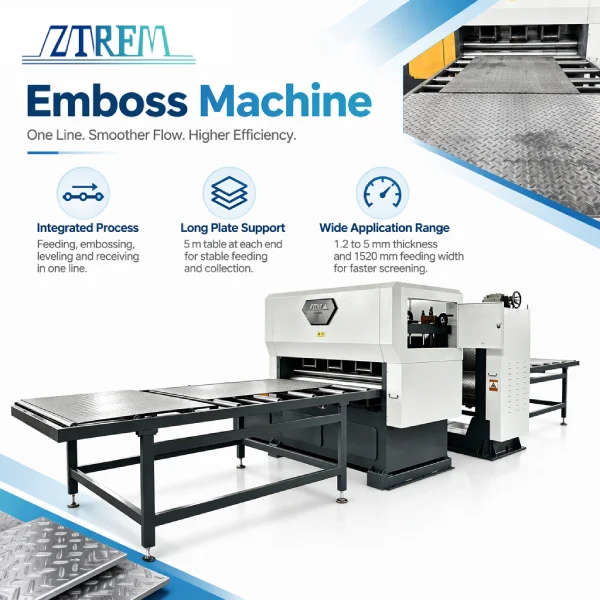
The pattern on a carbon steel embossed plate is not a random choice. Diamond patterns on walkway plates, dot texture on equipment treads, parallel stripes on storage platforms. Each pattern matches a product use and working condition. A reliable emboss machine carries out that choice. Pattern results depend on roller surface design together with material, thickness, pattern…
Contact: Elliot liu
Email: [email protected]
WhatsApp: 008615127728988
Detailed Content
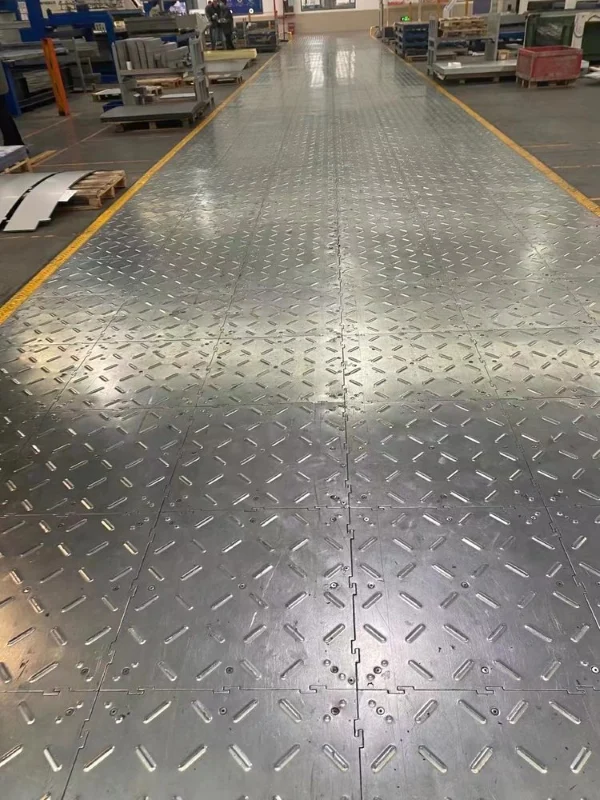
The pattern on a carbon steel embossed plate is not a random choice. Diamond patterns on walkway plates, dot texture on equipment treads, parallel stripes on storage platforms. Each pattern matches a product use and working condition. A reliable emboss machine carries out that choice.
Pattern results depend on roller surface design together with material, thickness, pattern geometry, and process conditions. When a customer chooses a target pattern, appearance is not the only factor. Plate thickness, material condition, and finished product requirements also matter.
Carbon steel embossed plates use several common pattern types in the industry.
Diamond pattern. Common on industrial walkway plates and platform decking, where regular raised shapes are used for foot traction.
Dot pattern. Used on equipment treads and stair treads, where a raised dot texture is common.
Stripe pattern. Appears on some storage platforms and logistics equipment, where parallel lines provide surface texture and direction guidance.
Other custom patterns. Customers can provide a target pattern sample, drawing, or reference product. We then review the roller setup, pattern geometry, and production requirements to assess feasibility.
These are common industry pattern types. Actual pattern options depend on the roller setup for a given project. This list does not mean the current equipment covers every pattern.
An emboss machine cannot promise every pattern in this list for every project. The target sample and production conditions decide the next step.
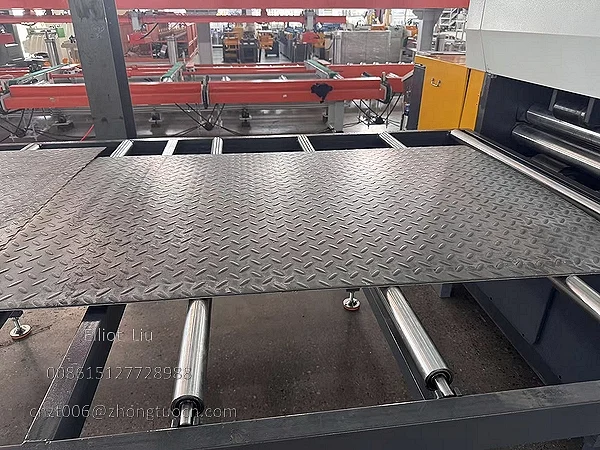
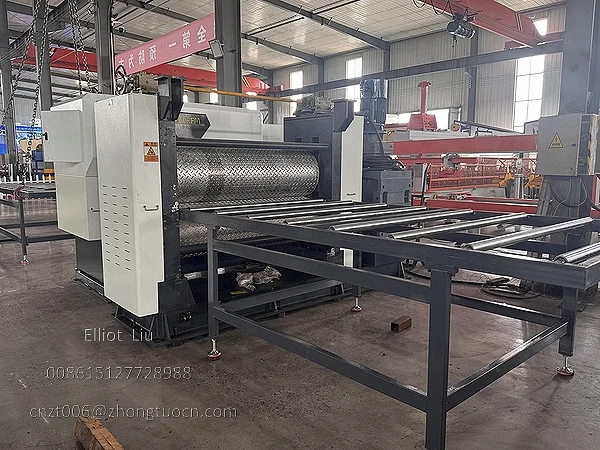
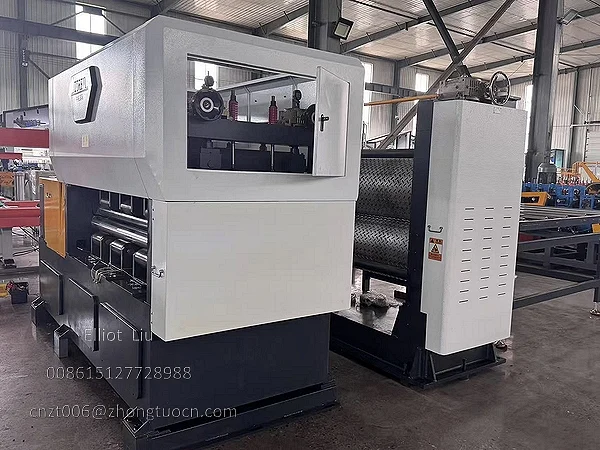
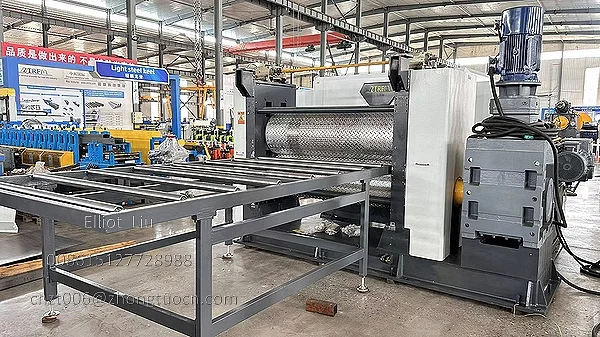
The current reference configuration includes four units in one line. A sheet metal embossing machine setup like this brings feeding, embossing, leveling, and receiving into one production flow.
Support at both ends
Emboss machine and leveling unit in one line
Stable long plate handling
The feed end and receiving end each have a 5 m support table. These tables give long plates a stable place during feeding and finished product collection. The line also includes an embossing machine and a leveling machine.
Products that need plate shape work after embossing can use the leveling machine within the same line. The actual sequence and unit connections depend on the layout for each project. A metal sheet embossing machine setup like this is reviewed against production needs, and the final confirmed plan sets the basis.
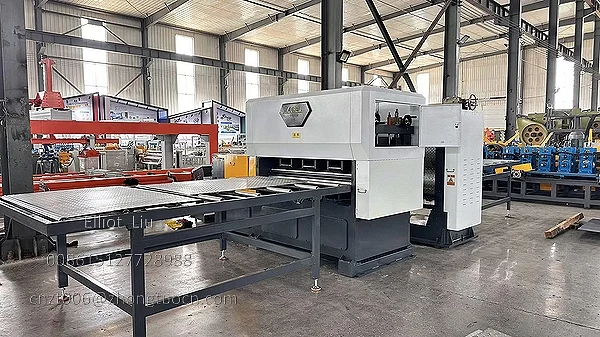
Pattern design is not a standalone decision. Plate thickness and material condition can affect embossing results on a metal sheet embossing machine.
Plate thickness
Thick plates tend to show more shape change after embossing, so leveling gets more attention. Thin plates need tighter pattern depth control to avoid surface deformation from excess pressure.
Material condition
Edge wave or warping in the incoming plate can make roller force uneven and hurt pattern depth consistency. A stable incoming condition makes the embossing result easier to control.
Why thickness alone is not enough
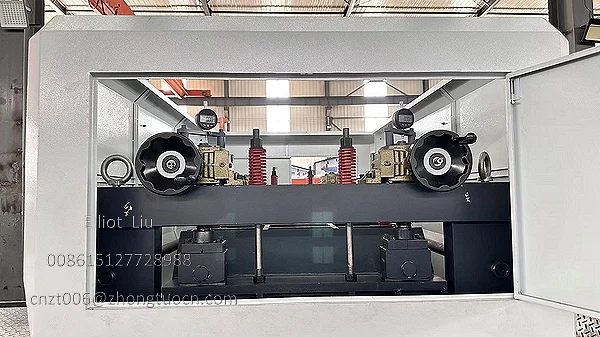
Pattern depth, geometry, plate thickness, and finished requirements work together. At the same thickness, different pattern depths and shapes place different demands on embossing. Setting depth from thickness alone can miss what the finished product needs.
Common slip resistant patterns usually press well on carbon steel, but depth and result depend on the roller setup and sample validation. Sharing the material grade, plate thickness, width, and final use helps the supplier assess the roller setup. These details are what a reliable emboss machine assessment depends on.
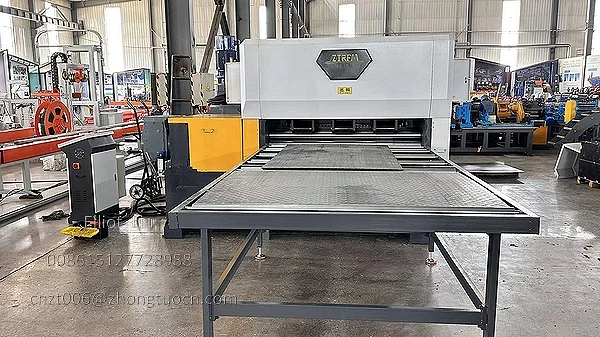
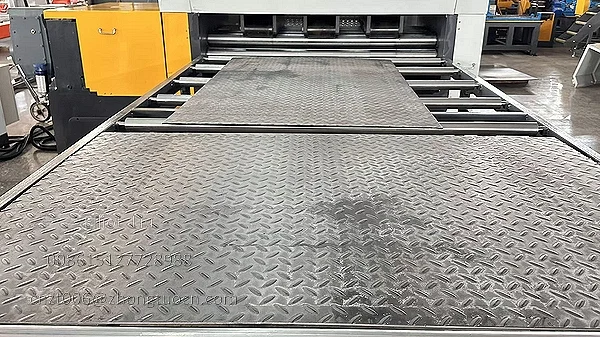
| Parameter | Confirmed value |
|---|---|
| Processing material | Carbon steel |
| Material thickness | 1.2 to 5 mm |
| Feeding width | ≤1520 mm |
| Working speed | 5 m/min |
| Feed support table | 1 set, 5 m long |
| Embossing machine | 1 set |
| Leveling machine | 1 set |
| Receiving table | 1 set, 5 m long |
These values describe one reference configuration. They are not fixed standards for every emboss machine. Final processing range and line composition depend on the confirmed plan. Cutting length is adjustable in the parameter list, but the cutting device and its supply scope need confirmation against the final quotation or supply list.
Pattern customization on a metal sheet embossing machine starts with a target pattern sample, drawing, or reference product. We review the roller setup, pattern geometry, and production requirements, then decide whether a sample trial is needed.
Lead time and cost depend on pattern complexity and roller set count. The review also covers pattern depth adjustment, roller set changes, and pattern results at different thicknesses.
The last step in pattern selection is to pass product requirements to the supplier clearly. For an emboss machine, the following information helps before you talk:
Material grade and plate thickness
Plate width and length
Target pattern sample, drawing, or reference product
Finished product use and working conditions
Requirements for pattern depth and surface flatness
Whether multiple roller sets or later changes are planned
The supplier uses this information to assess the roller setup, lead time, and sample trial plan. Material, thickness range, feeding width, working speed, and the four line units are confirmed for the current reference configuration. Pattern setup, depth adjustment, roller change capability, and pattern results at different thicknesses still need confirmation for the target product.
Matching the target pattern to the confirmed roller setup and production conditions is what makes an emboss machine choice reliable.
Contact Us For More Roll Forming Machine Detailed Information
You can contact us either through phone number 0086-15127728988 within our working hours, or send an email to [email protected], or send an inquiry form to us using "Inquiry Now" option. Our customer representatives will respond as soon as possible.